

Today on the blog we have local nutritionist Malini Bissonauth sharing her wisdom to help us entrepreneurs avoid burnout. Thank you so much Malini! It’s packed full of brilliant advice and lots of references too, so we can dive in deeper!
Avoid burnout – it is possible!
Business owners often thrive in having flexibility and autonomy, however it’s no secret there are pressures which come with running a business. Research by Leapers and Simply Business found that one in three small business owners experienced burnout, an extreme outcome of physical and mental pressures.1. 2
There is no doubt running a business has its demands, healthy habits can fall off naturally due to busy schedules or commitments on the individual. Here we explore the link between stress, resilience and nutrition and what can be done to avoid burnout and last the distance.
A little bit of stress is actually good for your body to maintain protective responses but chronic or long-term stress can wreak havoc on digestion, hormone regulation and weight.
Chronic stress releases higher levels of the hormone cortisol and stimulates blood glucose release leading to a yo-yo effect of energy dips and cravings.
Convenience is a factor when you are a time poor business owner, easy options of high fat, salt and sugary foods are everywhere and hard to escape. Although batch cooking is not always viable there are ways to build in small wins that get you to more energising choices.
As a nutritional therapist and freelancer I know that understanding busy schedules and working with personal patterns is crucial so here are some practical strategies to help the rushed entrepreneur avoid burnout:
1. Don’t underestimate Hydration
It’s simple but essential. Hydration is key for concentration and fuelling the cells3. and lack of can lead to brain fog, and headaches. The brain’s spinal fluid, connective tissues and skin cells contain water as a key component. Studies show hydration can contribute to enhanced cognitive function. Carry a water bottle that indicates levels of water, this can act as a reminder and water rich foods all add to hydration such as watermelon, cucumber, tomatoes, oranges.
2. Have ‘no-brainer’ options for meals
Protein is a key part of sustaining energy and ensuring a protein is included in the meal will help you last the distance. This also reduces cravings for sugary snacks later in the day. At extremely busy times for minimum effort meals as “the back-up” for busy lunchtimes or late weeknights when you are simply exhausted. My go-to is frozen vegetables sauteed with herbs, spices and added to an omelette for a protein rich meal. It takes me about 15 minutes in total to prepare.
Keep pre-cooked lentils, grain packs, ready marinated chicken, high protein yoghurt in your kitchen to ensure you always have protein ready to bulk up your very quick meal.
3. Take on Resilience building foods
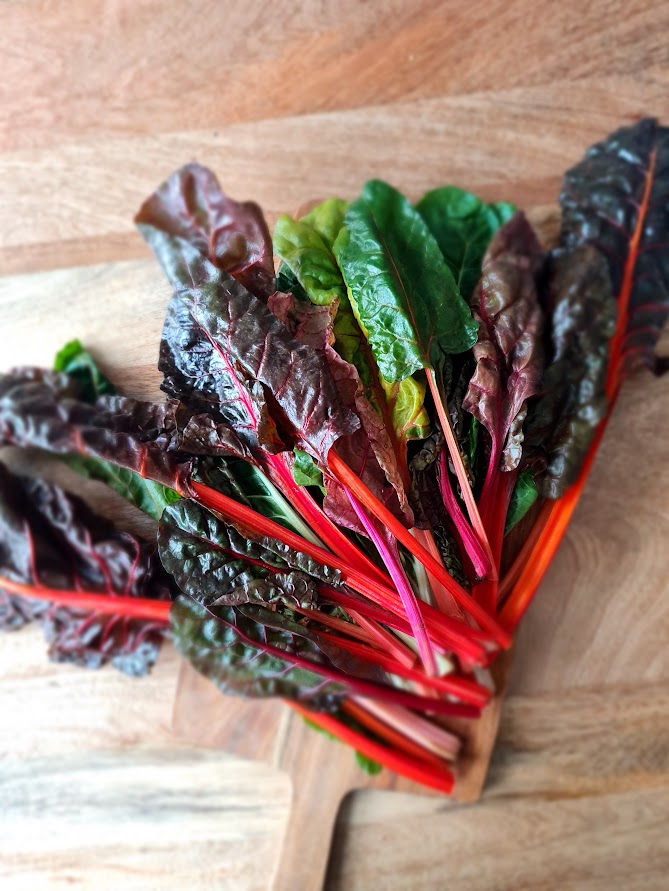
Antioxidant nutrients like Vitamin E have a crucial role in protecting the adrenal cortex from damage with protective effects on the brain cells4, while Magnesium aids production of relaxant chemical messengers like GABA in our nervous system5. Include a cup of dark leafy greens with meals or a handful of almonds as snacks. These are easy to include in your diet.
4. B for Brain-friendly
Being aware of easy wins to fuel your brain helps to optimise mental performance. Omega-3 is a beneficial fat that is essential for brain function but also helps to fight inflammation often caused by stress on the body. Opt for oily fish, flaxseeds or avocado as good sources for brain fuel. Vitamin B1 and B2 play a key role in creating energy in our cells6. Flaxseeds, tahini, and wholegrains like bulgur wheat are all easy wins to throw onto meals and can be easily stored at work/the office. I often tell clients to make-ahead nutrient rich grains like wholegrain rice, and olive oil dressings so they are ready to add to salads or meats.
5. Consider testing for deficiencies
Supplements are everywhere, although these can provide support in the right form it’s good to have a food first approach- work with your GP and a nutrition practitioner if you experience extreme fatigue and are worried about burnout, consider functional testing as there may be essential supplement support required over an agreed period to get back on track. I often see clients are depleted of vitamin C and Magnesium due to the taxing demands on the adrenals during stress, busy periods7. Vitamin C although associated with immunity mostly it is also known to reduce the release of stress triggered cortisol and therefore balance the stress response.
Overall it’s important to remember that food is fuel for mind and body, being kind to yourself and making small changes step by step can help you form new food habits, avoid burnout and stay energised in your business.
Malini Bissonauth, Nutritional therapist. DipCNM, ANP, GNC. You can find out more about her here on Instagram and on her website here.
Malini Bissonauth is a Naturopathic nutritionist, she works with individuals to create holistic and data driven solutions in improving health in the home and work setting.
References.
1.Leapers, ‘Supporting the mental health of freelancers and self-employed’. (2024). [online] Available at: Supporting the mental health of freelancers and the self-employed – Leapers
2.Simply Business (2023). ‘Over half of small business owners have experienced poor mental health over the past 12 months’.[online]. Available at: :https://www.simplybusiness.co.uk/about-us/press-releases/mind-your-business-launch/
3.Masento et al. (2014). ‘Effects of hydration status on cognitive performance and mood’. British Journal of Nutrition. 111(10):1-12.
4.National Institute of Health, (2025). ‘Vitamin E factsheet’, [online]. Available at: https://ods.od.nih.gov/factsheets/VitaminE-HealthProfessional
5.Boyle et al. (2017). ‘The Effects of Magnesium Supplementation on Subjective Anxiety and Stress—A Systematic Review’. Nutrients. 9(5). 429.
6.Mrowicka et al. (2023), ‘The importance of thiamine (vitamin B1) in humans’ . Bioscience reports. Oct 31;43(10).
7.Goto et al. (2024). ‘Vitamin C deficiency alters the transcriptome of the rat brain in a glucocorticoid-dependent manner, leading to microglial activation and reduced neurogenesis’. Journal of Nutritional Biochemistry. Jun;128.


0 Comments